A framework is a way to organise a brief, not a recipe for a guaranteed result. Use it to decide which information the image needs. This workshop draws on the publicly readable portion of Geeky Curiosity’s framework article and checks the basic visual advice against Midjourney’s current documentation. The exercises and example prompts below are newly written for Artisio.
1. Use a compact visual brief for a clear subject
Midjourney’s documentation favours concise visual descriptions and concrete subject, medium, setting, light, colour, mood and composition choices. Geeky Curiosity compares several ways to organise those choices, including subject–style–context, emotion with a palette, and a narrative moment. Choose the structure for the image’s purpose.
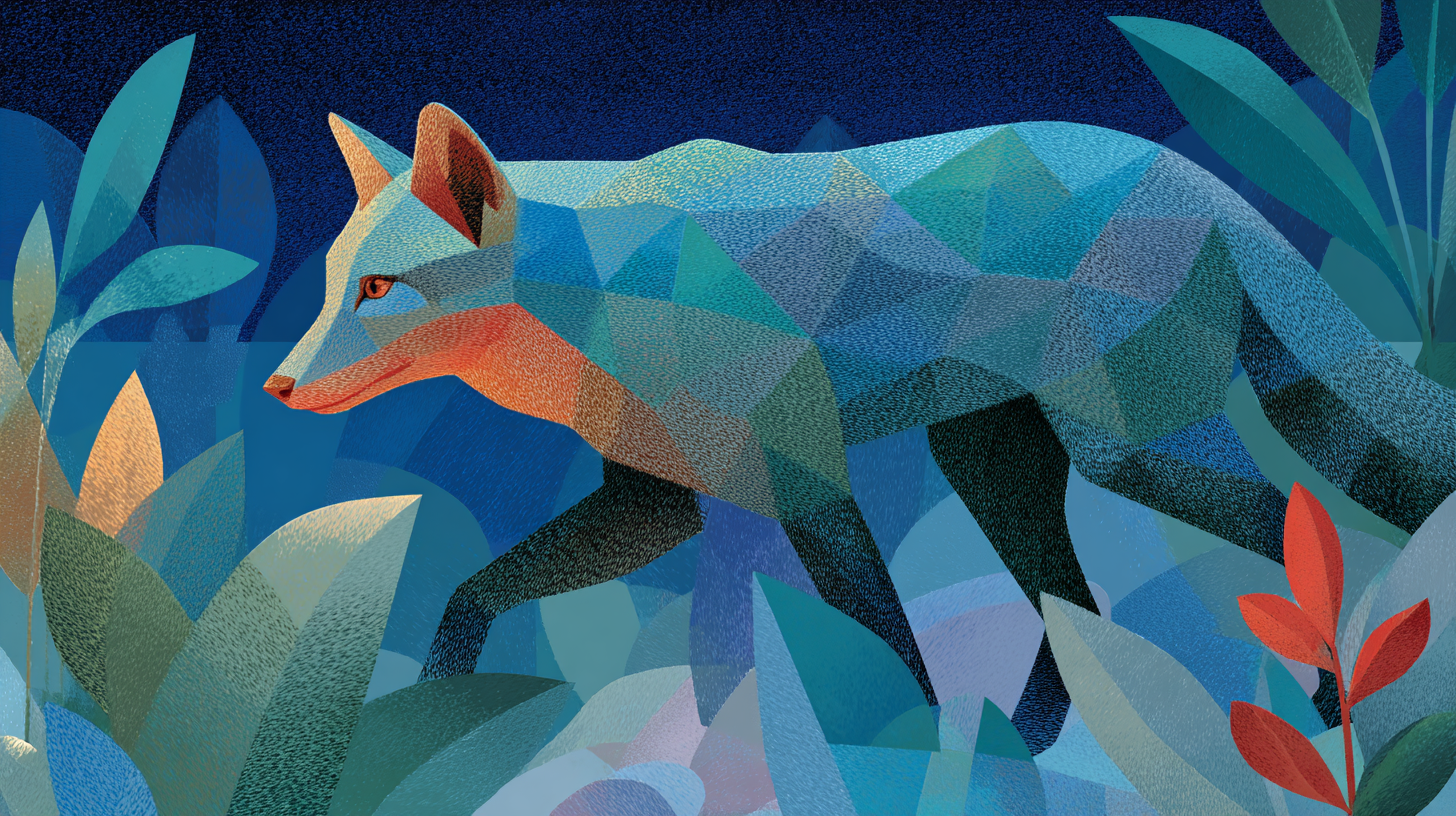
For an initial exercise, use one mountain tram arriving at a small station. Keep the subject legible and choose a medium that supports the brief. Avoid adding a passenger crowd, dramatic weather and several architectural styles at once. The first result should tell you whether the silhouette and framing are useful.
A small red mountain tram arriving at a quiet hillside station, hand-painted travel illustration, broad readable shapes, pale morning sky, muted pine-green slopes, warm cream station walls, a clear three-quarter view of the tram.2. Let mood change visible decisions
If the goal is a reflective scene, translate that mood into light, distance and colour. Keep the tram and station while changing the atmosphere. Compare the emotional effect at a small size before studying tiny details. Write which visible change made the result calmer or more dramatic.
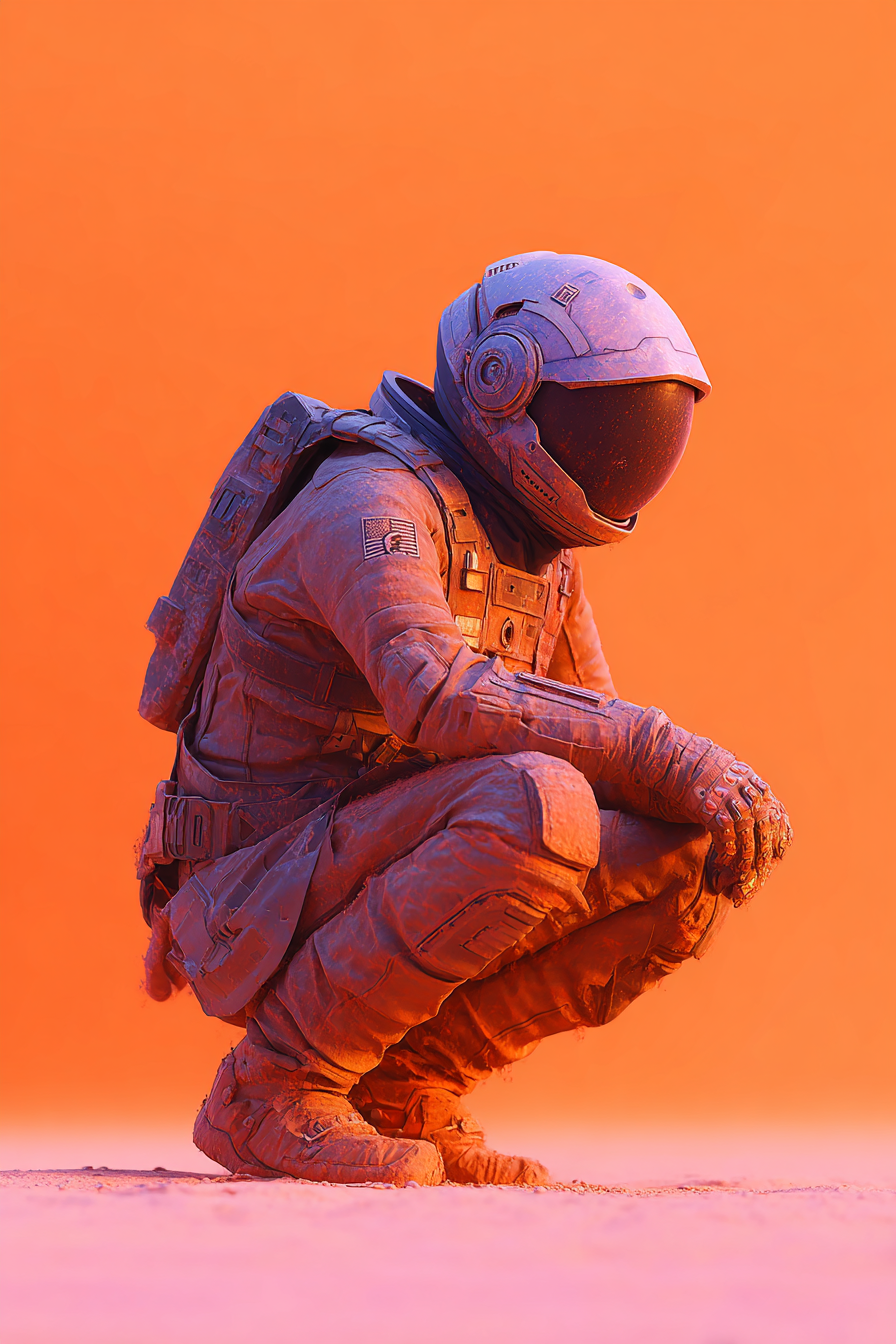
A quiet red mountain tram paused at a hillside station after sunset, a single warm light inside the carriage, deep muted blue hills, soft violet clouds and a restrained amber accent, contemplative painted illustration, generous empty space around the station.3. Choose a single narrative moment
A narrative image becomes easier to judge when it freezes one event. Imagine a station keeper noticing the first light inside an arriving carriage. Keep that moment small enough to read without a paragraph of explanation. Then review whether the expression, gesture and focal point all support the same event.
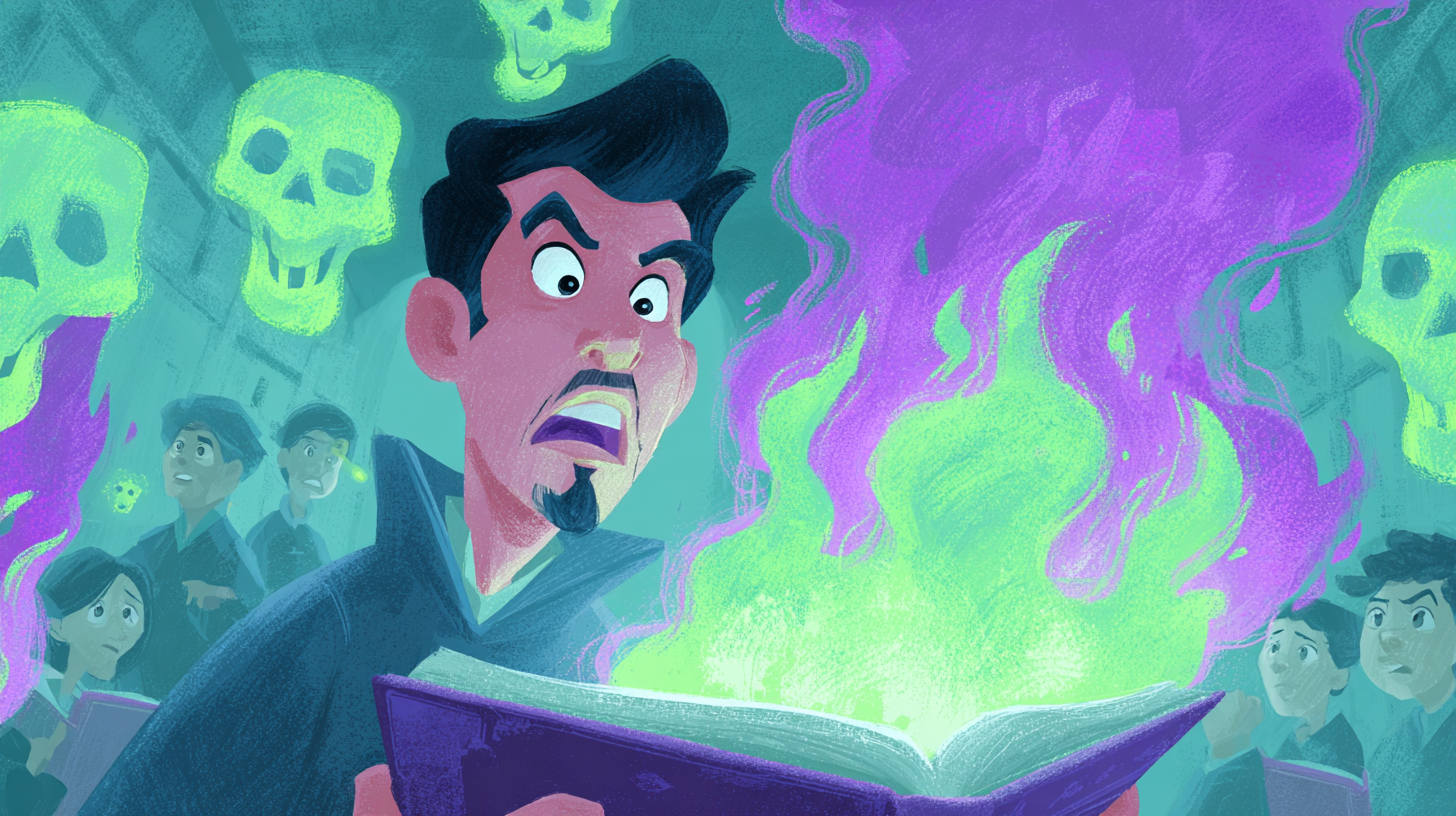
A station keeper looking up as the first warm carriage light appears through the mountain mist, one small red tram approaching a hillside platform, the keeper holding a brass lantern at waist height, a readable moment of recognition, painterly travel-story illustration, cool dusk around a quiet amber focal point.4. Keep a comparison you can learn from
Pick one favourite direction and make one deliberate revision: a closer view, simpler background or stronger light separation. Keep your model version, aspect ratio and personalization settings recorded alongside the images. A result can vary between runs, so compare several outputs before deciding that one word caused a change.
REVISION RECORD
Purpose: [what the viewer should notice].
Original prompt: [the exact brief used].
Single change: [framing, light, palette or another concrete choice].
Kept constant: [subject, medium and selected tool settings].
Result: [one visible improvement and one remaining weakness].
Check the main subject at thumbnail size.
Name the visible decisions behind the mood.
Keep the narrative moment focused on one event.
Record settings separately from the descriptive prompt.
The source examples use their author’s own prompts and settings. The new prompts intentionally avoid old version parameters and somebody else’s personalization codes. Select the currently available model and settings in your own Midjourney interface.