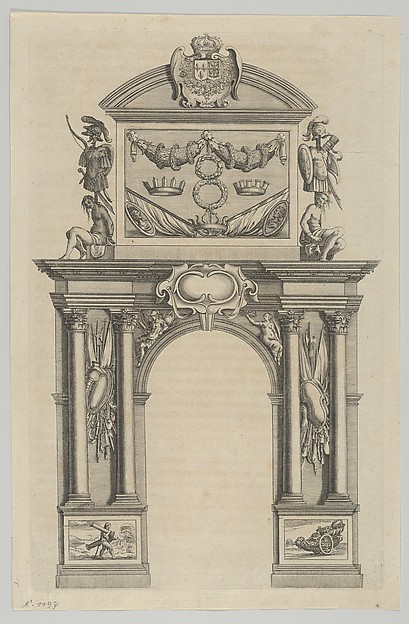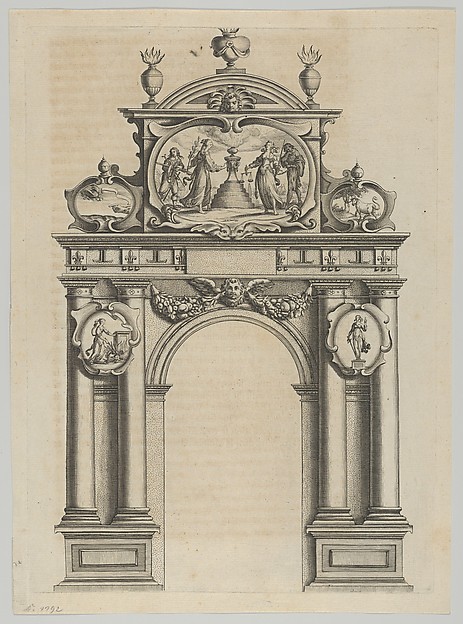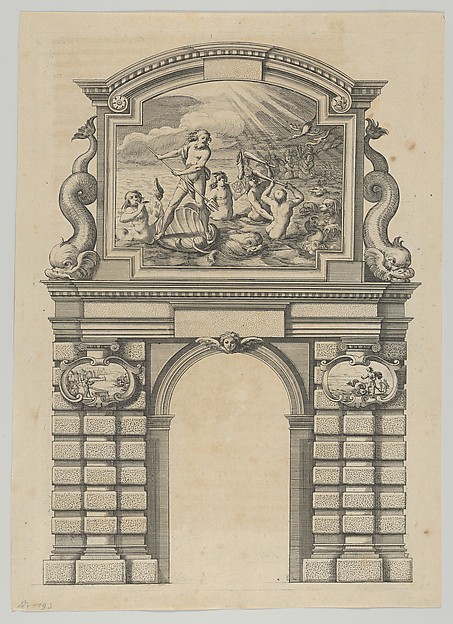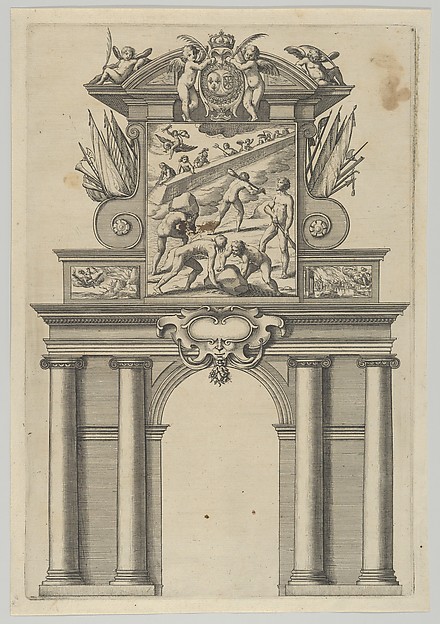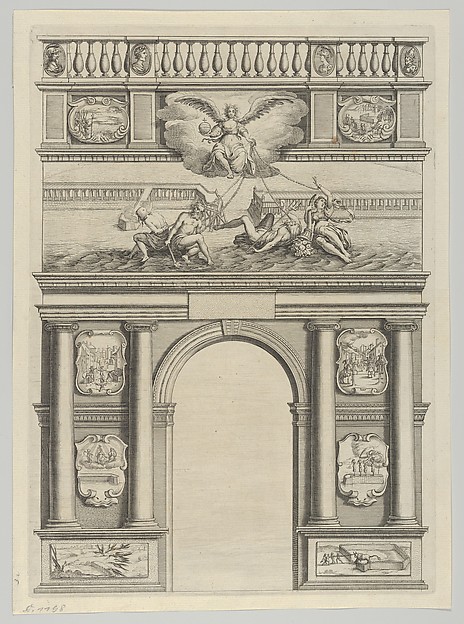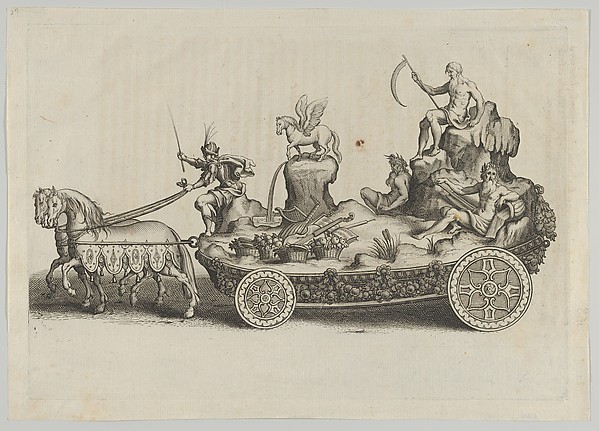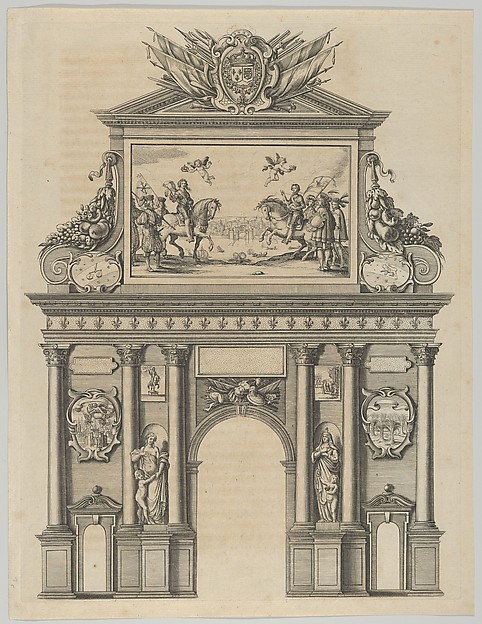
Create an original [your subject]. Use Etching. Study the museum references for mark-making, edges, colour relationships and composition. Build a new scene rather than reproducing an existing artwork. Preserve the character of the medium and choose details that serve the subject.


Melchior Tavernier ✓
@museum.melchior.taver.q21552991 · Museum collection artist
Melchior Tavernier (1564–1641). Flemish-French engraver and printmaker (1564-1641). A public collection profile curated by Artisio from museum records.
Collection artworks13 artworks
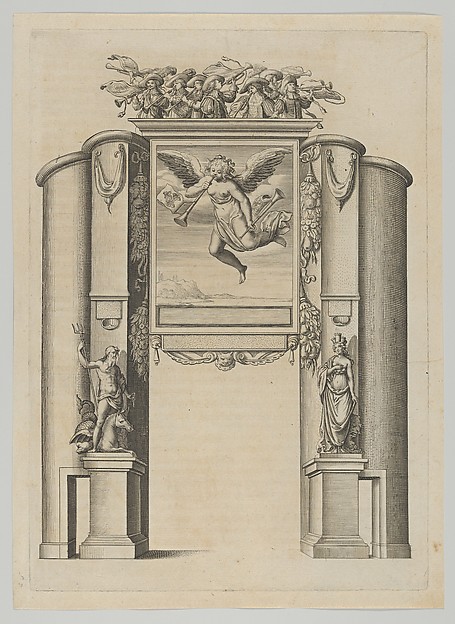
Create an original [your subject]. Use Etching. Study the museum references for mark-making, edges, colour relationships and composition. Build a new scene rather than reproducing an existing artwork. Preserve the character of the medium and choose details that serve the subject.